Take the survey & get your simple PT plan in 3 minutes
Using hands-on therapy and movement can help reduce pain and improve mobility. In many cases, this type of non-invasive therapy is recommended before expensive tests or surgery.
This questionnaire can help determine if therapy could help improve your condition.

Understanding when your pain lessens helps us learn about moments that might bring relief. It can also show us what activities or positions might help you feel better.
Knowing where your pain is located helps us understand which areas might need more help and attention.
Certain movements or positions can sometimes make pain stronger. Learning which activities worsen your pain helps us figure out how to make you more comfortable.

Understanding how your pain changes throughout the day helps us create a plan that matches your daily needs.
Certain activities might make your pain stronger. Understanding these movements helps us guide you in avoiding activities that could increase your discomfort.
Movement sometimes eases pain, so learning how different activities affect you helps us identify what might work best for you.

Start your 3-minute pain assessment now

Different activities might affect pain differently. Knowing which activities provide relief helps us plan exercises that could be beneficial.
Certain positions might offer relief, and recognizing these positions guides us in finding ways to help ease your pain.
Understanding your past experiences with pain helps us plan treatments tailored to your history.
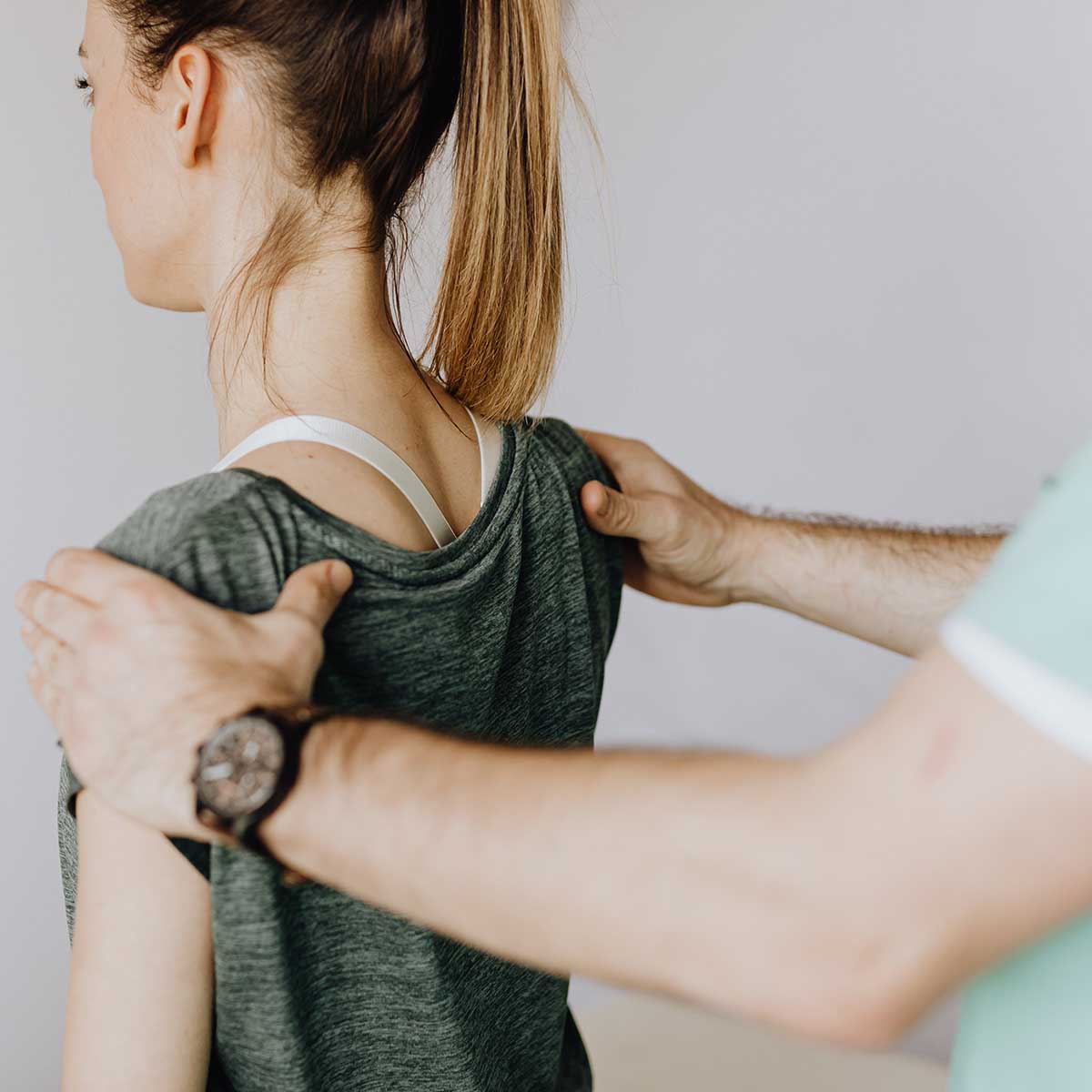
Understanding mobility limitations helps determine if there are specific directions or movements causing pain and guides us in designing appropriate exercises or treatments to improve mobility and reduce discomfort.
Knowing if you're pain-free between episodes helps us understand the overall impact of your pain on your daily life.
Some pain areas are linked. Leg pain linked to back discomfort, for example, can provide important clues about your condition and how we might address it.
Start your 3-minute pain assessment now